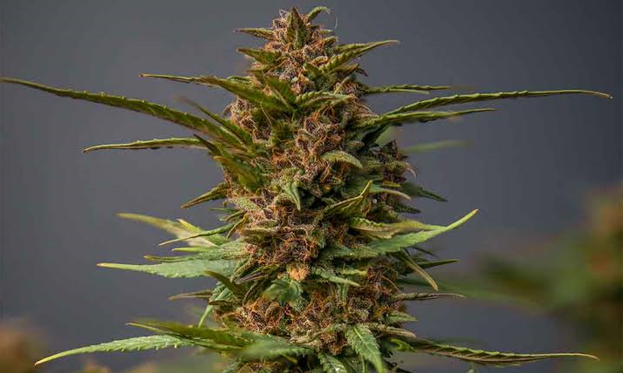
A first indoor cultivation project often becomes difficult because several small mistakes happen at the same time. New growers may water too often, change nutrients after every leaf symptom, place young plants too close to powerful lights or begin before temperature and humidity are stable. These issues are common and understandable, especially for beginners. However, careful preparation, consistent observation, gradual adjustments and a simple routine can reduce unnecessary stress and create a healthier, more manageable growing environment from the beginning.
Prepare the Space Before the Plants Arrive
The room should be tested while it is empty. Lighting, timers, airflow, temperature monitoring, humidity monitoring, drainage and electrical safety all need attention before a living plant is introduced. Running the equipment for several days can reveal heat buildup, unstable humidity, noise, or timer problems.
Trying to correct the environment after a plant arrives creates pressure and encourages rushed decisions. A stable room gives the grower time to focus on the plant rather than unfinished equipment.
Avoid Watering by Calendar
Overwatering is one of the most common beginner errors. Roots require oxygen as well as moisture, and a constantly saturated medium can slow development. A plant may droop when the root zone is too wet, which can lead an inexperienced grower to add even more water.
The better approach is to check the medium and learn the difference between a recently watered container and one that is becoming ready for water. Container weight, drainage, plant size, airflow and temperature all affect drying time. A fixed daily schedule ignores those differences.
Keep Early Feeding Conservative
Beginners are often attracted to complex nutrient programs because they appear professional. In reality, several products introduced at once make problems difficult to diagnose. A complete base program used according to its label is usually easier to understand.
Young plants generally require less concentrated feeding than mature plants. If leaf color changes, the grower should review water, roots, pH, light, temperature and pests before assuming that more fertilizer is needed.
Match the Light to the Plant Stage
Lighting that is suitable for an established canopy may be too intense for a newly arrived clone. Sudden exposure can lead to curling, bleaching, or reduced growth. The fixture should be introduced gradually according to manufacturer guidance and plant response.
Too little light can also create weak, stretched growth. The solution is not to chase an arbitrary setting but to use reliable coverage information, maintain a safe distance, and observe how the plant responds over several days.
Treat Environmental Stability as a Priority
Temperature and humidity influence water use, root activity and the risk of plant-health problems. Large swings can create stress even when the average reading appears acceptable. Monitors that record changes over time are more useful than occasional checks.
Airflow should move the surrounding air without constantly pushing the plant. Strong direct airflow can dry young leaves, while stagnant areas can hold excess moisture. The room should be designed for gentle circulation and safe heat removal.
Resist the Urge to Correct Everything at Once
A common pattern in a first grow is rapid intervention. The grower sees one yellow leaf, changes the nutrient strength, moves the light, waters again and repots the plant in the same afternoon. If the plant improves or declines, the cause remains unclear.
Correct one likely issue, document the change, and observe. This slower approach may feel less active, but it produces better information and reduces the risk of creating additional stress.
Inspect New Plants Before Mixing Them with Others
A plant arriving from another location should be checked carefully. Leaves, stems, growing medium, and visible roots can be inspected for pests, webbing, unusual spotting, damage, or strong odors. Photographs create a useful arrival record.
When practical, new plants should remain separate from an established collection for observation. Clean hands and tools between groups. Prevention is easier than trying to manage a problem after it spreads through the room.
Keep Expectations Realistic
The phrase homegrown weed may suggest a simple project, but indoor cultivation depends on daily decisions about water, environment, sanitation, and equipment. Expensive equipment cannot compensate for poor observation, while a modest setup can perform reliably when it is stable and well understood.
The first cycle should be treated as a learning process rather than a test of maximum output. Fewer plants and a simple routine give the grower more time to understand cause and effect.
Do Not Harvest According to Excitement
Beginners often become impatient near the end of a cycle. Visual appearance alone may not show whether the plant has completed development, and different genetics mature at different rates. The grower should rely on the plant’s documented characteristics and careful observation rather than an expected date alone.
Post-harvest handling also deserves planning. Clean tools, a suitable drying area, and safe storage should be ready before cutting begins. Quality can decline when the final stage is rushed.
Maintain a Basic Record
A useful journal does not need to be complicated. It can include watering dates, product amounts, environmental readings, visible changes, and photographs. Records help the grower identify patterns and avoid repeating the same mistake.
For home grown weed plants, the value of a journal becomes clear when several symptoms overlap. Notes show whether a problem began after watering, a light adjustment, a temperature change, or a new product.
Review Safety and Legal Responsibilities
Electrical equipment, water, and enclosed spaces require careful planning. Connections should be protected from moisture, circuits should not be overloaded, and equipment should be used according to manufacturer instructions.
Cultivation must also comply with current state, local, and property rules. Buyers should verify plant limits, age requirements, visibility, security, and rental restrictions through official sources.
Conclusion
Most first-grow problems are not caused by one dramatic failure. They develop from an unstable room, excessive watering, aggressive feeding, poor records, or several corrections made too quickly. A prepared space and a simple routine reduce those risks.
The best beginner strategy is to observe more and react less. Stable equipment, gradual changes, clean handling, realistic expectations, and written records create a foundation that can be improved in later cycles.